UH Hilo team researches historic World War II battlefield
A postdoctoral researcher and a graduate student from UH Hilo embark on an expedition in early April to study a remote World War II battlefield in the Western Pacific.


A postdoctoral researcher and a graduate student from UH Hilo embark on an expedition in early April to study a remote World War II battlefield in the Western Pacific.

Rosie Lee, Colton Johnson and Keelee Martin spent a month as part of a NOAA research team studying the effects of climate change on reef and fish populations.

This historic episode celebrates with original builders, crew members, navigators, scientists and more.

Scientists from throughout the region traveled to Tutuila island in American Samoa for a week-long celebration and to conduct the 100th year transect survey.

A team of marine scientists, resource economists and legal scholars call for more regulations on deep sea mining to minimize possibly irrevocable losses.
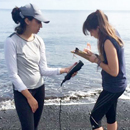
Researchers are investigating climate driven shifts in staph and MRSA for water resource and land management solutions.

In areas with sufficient staffing increases, fish populations were nearly three times greater than those without adequate personnel.
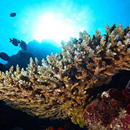
The expedition will sample volcanoes at different stages in their development, including the young active volcano, Vailuluʻu, and the older Samoan volcanic feature that defines the island of Tutuila.
NSF has released $1 million from the Centers for Research Excellence and Technology Program to fund UH Hilo’s climate change research project.

Researchers find that large areas of intact coral reef, not disturbed by humans or climate change, harbor the greatest amount of genetic diversity